
By Jerry Yu
Lately, I’ve had several clients and prospective clients come to me with the question, “Jerry, what can I do right now to buffer against an economic downturn? Some of these people are looking for a magic bullet that will rid their portfolios of all the erosive elements threatening their wealth. Some are more realistic and want actionable strategies to help them fortify their financial fortresses.
While politicians are loathe to call our current period of economic instability a “recession,” some economists say it most definitely is. Regardless, news of an anemic job market, layoffs, and the Fed’s apparent inability to rein in inflation has many pre-retirees and retirees wondering how best to protect their savings.
In my opinion, the worst thing any retiree or pre-retiree can do right now is nothing. The best thing they can do is find the most qualified financial advisor for their situation and nurture that relationship. A wise economic writer once remarked that building a strong network is your best defense against economic chaos. Given the complexity of modern retirement planning and asset protection, it makes sense that a savvy, experienced financial professional is the cornerstone of your network.
So, what are the qualities pre-retirees and retirees need in an effective financial advisor? Here are a few qualities I have isolated that I feel separate great financial professionals from the mediocre ones.
- The best financial experts have superior knowledge and training. During a recession or other dramatic event in the economy, situations arise that require specialized knowledge, experience, and intuition. Younger advisors, for instance, may not have experienced The Great Recession back in 2008 and don’t understand the stress such an event places on seniors. The ideal advisor has a proven track record of expertise in dealing with economic downturns. You should always consider a potential advisor’s years of industry experience, training, certifications, and professional designations. An advisor who has “been there, done that” and who has an above-average understanding of risk management will provide you with invaluable guidance during turbulent times.
- A great “recession advisor” understands their fiduciary duty. If you want to do all you can to stave off the bad effects of economic turmoil, it’s crucial to locate a financial advisor who has a fiduciary duty to always act in your best interests. A fiduciary is legally and ethically bound to put your interests ahead of their own and to provide unbiased advice. A true fiduciary will disclose any potential conflicts of interest and ensure that their recommendations align with your money goals and risk tolerance.
- Your advisor needs a stellar reputation and verifiable references. No matter how charming and approachable a prospective financial guide appears, you should still do some research. Review the candidate’s reputation in the industry and among their peers. Look for a record of success helping clients navigate periods of economic instability. Check the advisor out online and see what others are saying about them and the job they do for their clients. Ask your friends and family members for recommendations.
- The advisor should answer their phone. During any phase of your financial lifecycle, you are bound to have questions. This is especially true when the market is volatile and unpredictable. It’s critical to work with a financial guide who is responsive, communicates clearly, and is available to address your concerns quickly and efficiently. Whether you work with them in person, or digitally, your ideal advisor is someone who proactively communicates with you. Your responsive advisor keeps you updated on changes in the economy and investment performance and gives you frequent snapshots of your portfolio’s overall health. Effective communication and accessibility are hallmarks of great financial professionals.
- Your advisor shares your investment philosophy. During recessions, investment landscapes tend to change dramatically. Your advisor’s approach to managing investments can significantly impact your portfolio’s performance during turbulent times. An advisor’s investment philosophy should always mesh well with yours. Proposed strategies should align with your time horizon, goals, risk tolerance, and values. Don’t be afraid to ask advisor candidates tough questions, such as how they plan to protect your money during an economic downturn and how they will handle market volatility.
- The advisor is up-front about how they are paid. Even though it may feel a bit intrusive or awkward, it is important to consider your advisor’s fee structure. The best advisors are forthcoming about how they are compensated (fees, commissions, or both) and will reveal any potential conflicts of interest. It is crucial to have transparency regarding any fees you’ll pay for their services and how those fees could impact your returns.
- Your advisor has a holistic approach to financial services. Recessions affect many aspects of your financial life, including your budget, debt management plan, retirement planning, and estate planning. You should find an advisor with a comprehensive, holistic method of taking care of client needs. These types of advisors consider all aspects of your life and integrate them into your recession-proofing blueprint.
- Your advisor is not a technophobe. Technology plays an increasingly vital role in helping pre-retirees and retirees manage their money. Technology may be particularly useful during economic downturns. A competent advisor is one who leverages technology and has the right tools for accurate portfolio analysis and design, risk analysis, and investment strategies.
Summing it up: During times of economic strife and instability, a competent, experienced financial advisor can be the difference between barely surviving and thriving. As the cornerstone of your network, your carefully-chosen money professional will help you avoid making devastating mistakes with your finances; mistakes that could cause you to run out of money in retirement.
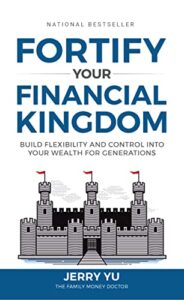
If you’d like to learn more about what your advisor should be doing to “fortify your financial kingdom,” get a free copy of my book by going here: