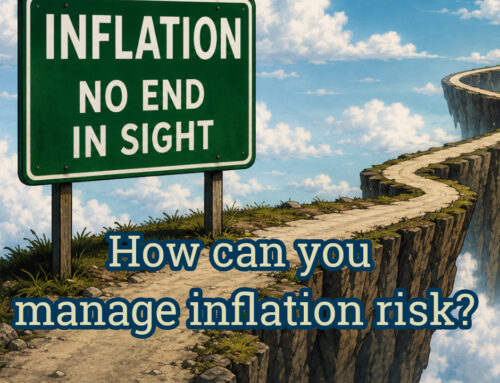

Before the COVID-19 pandemic, many older Americans looked forward to retirement, eagerly anticipating when they could relax, spend more quality time with their families, travel, and discover new activities. However, without strategic retirement planning, there is a real possibility that erosive events, such as a prolonged stock market downturn, high inflation, and increased taxes, will devastate your retirement income streams.
Of all these adverse events, inflation is perhaps the most challenging for retirees to understand and efficiently address. Some seniors only consider inflation in the short term, such as when they buy groceries or fill up their cars with gas. Unfortunately, inflation does more than affect the prices of food and gas in the short term; it also impacts future expenses. As goods and services rise, your retirement dollars will be worth less. And, if you haven’t planned well, you could encounter a situation where the money you’ve saved will not be enough to finance your lifestyle in retirement.
Over time, inflation chips away at your wealth, seriously devaluing your savings and income. Understanding how inflation may hurt your retirement strategy is essential to ensure you have enough assets to last through your later years.
What is inflation, and why does it matter?
In economics, inflation is a word that describes a general increase in the prices you pay for goods and services over time. As inflation rates rise, the same amount of money purchases fewer goods and services. Even though inflation rates frequently change, even low levels of inflation, such as the 2% many economists claim is “normal,” are likely to have adverse effects on retirement income, compounded over several years or decades.
The negative impact is especially devastating for retirees, many of whom depend on fixed income sources such as annuities, pensions, and Social Security. For instance, research from the Senior Citizen League indicates that Social Security benefits have lost over 30% of their purchasing power since 2000. The League attributes much of that loss to inadequate living adjustments (COLAs) and increased healthcare costs.
Most retiree income streams typically do not scale with inflation. As a result, many older Americans could find rising expenses for things such as healthcare, housing, and basics have eaten away at their savings much faster than anticipated.
Retirees and those on the cusp of leaving the workforce may have invested some of their savings in more conservative assets, such as bonds, CDs, or cash equivalents. Such investments are usually an attempt to create more retirement income without necessary exposure to market risk. However, these assets may not keep pace with inflation, leading to a decline in returns.
What are some ways to protect your wealth from inflation?
- Delay retirement or continue working. Some older Americans elect to delay their retirements. By working longer, you will continue to earn income, add to your savings, and perhaps benefit from additional employer contributions to your 401k or IRA. Working even 1-2 years beyond your planned retirement age could allow you to build a more robust nest egg and offset some of inflation’s adverse impact.
- Improve your portfolio through strategic diversification. One course of action often recommended by financial professionals is diversifying your retirement portfolio, including assets that have historically outpaced inflation, such as real estate and dividend-paying stocks. However, if you have a low tolerance for risk, these types of investments, while they have the potential for higher returns, may disturb your peace of mind.
- Look for income sources that adjust for inflation. You and your retirement income planner should look for income sources that adjust for inflation. For example, certain kinds of annuities have inflation-adjusted features. Retirees could also consider allocating a portion of their investment portfolio to inflation-protected securities, such as Treasury Inflation-Protected Securities (TIPS). TIPS are financial instruments specifically designed to protect against inflation.
- Regularly review and re-balance your financial plan. You and your advisor must review your retirement blueprint consistently, making adjustments where needed. You’ll want to assess your spending and account for changing economic conditions and inflationary pressure.
- Factor in longevity. People are living longer and, as a result, are spending much more time in retirement. An extended time without work income exposes your wealth to inflationary pressure for more years. Without adequate savings and several income streams, longevity could lessen your financial stability.
- Maintain a balanced budget and reasonable lifestyle. By adopting a balanced budget and reasonable lifestyle expectations, retirees may be able to manage the impact of inflation. As with your portfolio, you must review your budget with your financial advisor to ensure it is adapted when circumstances change, or you experience inflationary strain.
Summing it up: Inflation can be devastating to your retirement plans. But, discovering ways to blunt its impact will help you safeguard your wealth and keep you from running out of cash when you need it most.